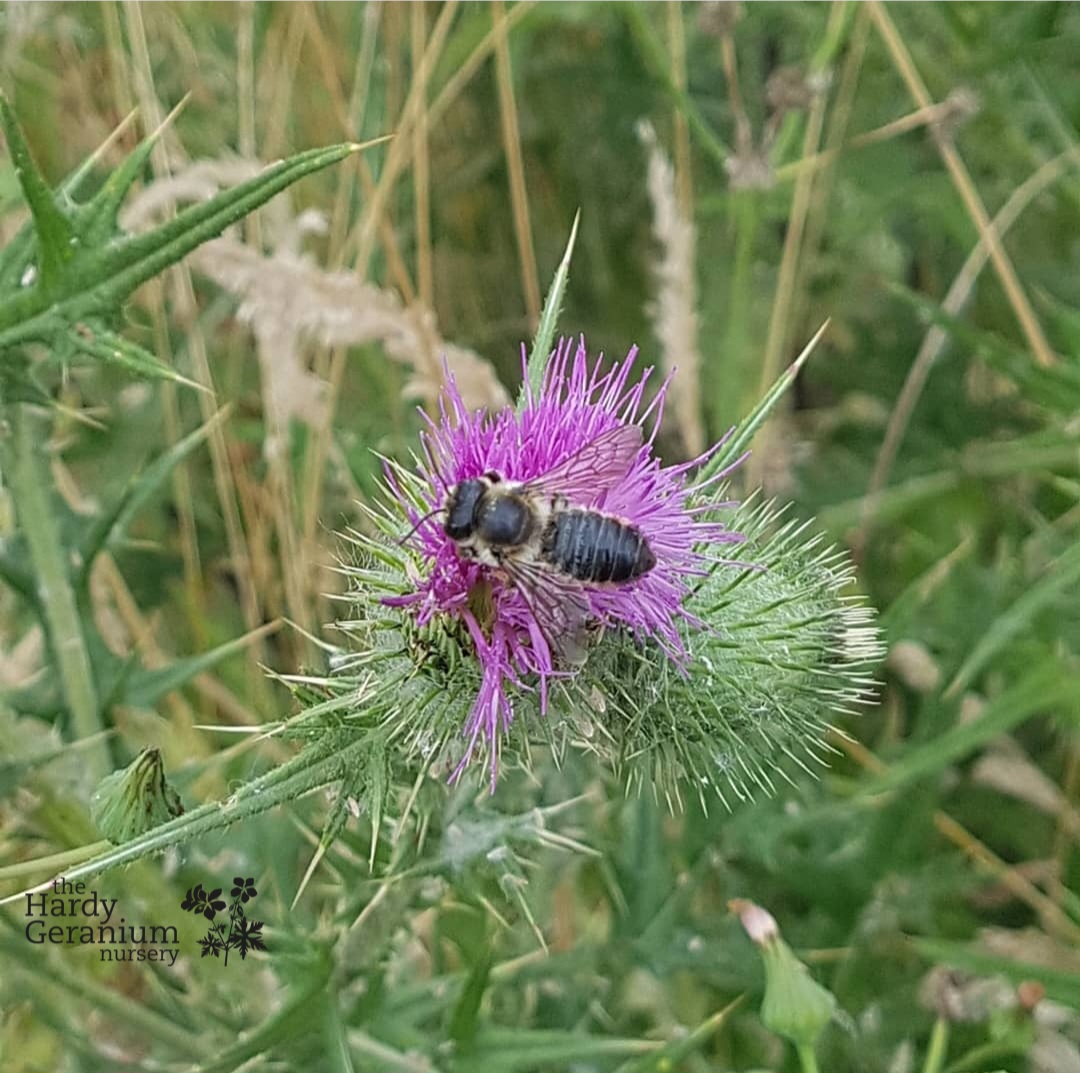
Beneficial insects are insects that provide benefits to humans, agriculture, and the environment. These insects can help control pest populations, pollinate plants, decompose organic matter, and provide a food source for other animals.
Some examples of beneficial insects include ladybirds, which are natural predators of aphids and other plant pests, bees, which are essential for pollinating many crops and plants, and earthworms, which help break down organic matter and improve soil health. Other beneficial insects include lacewings, hoverflies, nematodes and parasitic wasps.
Many farmers and gardeners actively encourage the presence of beneficial insects in their fields and gardens by providing habitats such as flowering plants, insect hotels, and nesting boxes. This can help reduce the need for pesticides and other chemical interventions, leading to a more sustainable and environmentally friendly approach to agriculture.
Beneficial insects are an essential part of gardening and can have a significant impact on the health and growth of garden plants. They are natural predators that help control pests that can damage garden plants and reduce their yields. Here are some beneficial insects that can help protect your garden plants:
This article has been written in association with ChatGPT